Advisory Statements
OUT Museum’s advisors come from public service, academic research, artistic practice and curatorial work. Below are their words to the museum.
The world's first Chinese-language queer museum and archive
OUT Museum’s advisors come from public service, academic research, artistic practice and curatorial work. Below are their words to the museum.

As a Chinese immigrant who has worked in public service, I have seen how community power takes root between policy and culture, and I know how hard it is for marginalised communities to be heard. Chinatown is where East Asian culture, history and identity converge — and yet East Asian queer voices are hard to find here. OUT Museum is creating a visible space, recording stories that cross identity, gender and culture, and holding on to respect for marginalised experience and to free expression. Let people see for themselves how art can be a bridge to social change and mutual understanding.
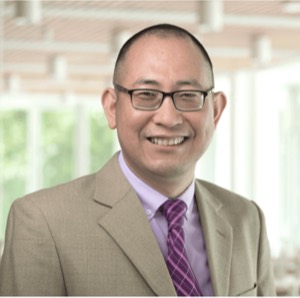
“Out” is a queer survival strategy; it also witnesses Asian communities' relentless pursuit of their dreams. OUT |出|MUSEUM plays a vital role in preserving Chinese queer history and promoting queer Asian cultural production and scholarly research.
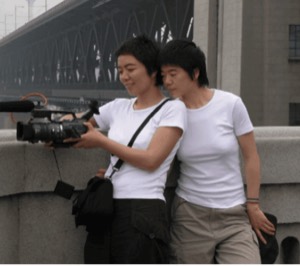
We see LGBTQ art as a form of public expression: personal experience can enter public view, and marginal narratives can be taken seriously. Our work has always started from lesbian life, from women's desire and bodies, and it reaches into the tangled feelings that come with Chinese and migrant identity in movement, rupture and reassembly. OUT Museum does more than preserve the past — it leaves room for lives that have not yet been fully told, and makes public action something that keeps happening.
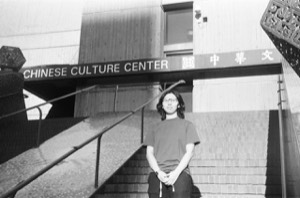
As a curator working across cultures, I know how often voices with multiple identities are left out of mainstream narratives. Ethnicity, gender, sexuality, migration and family memory are woven together, and that makes many people's stories hard to truly hear. I believe OUT Museum and its archive are not only a space that preserves Chinese-language LGBTQ history, but a rare and precious practice: it respects people's authority over their own narratives, acknowledges the tensions that cultural difference brings, and lets lives lived between languages, borders and identities be seen again, each on their own terms.